Contact us

Wireless CCTV Ltd uses cookies to ensure that we give you the best experience on our website.

Continue without accepting

Fly-tipping Banner WCCTV

Solutions

CCTV to Tackle Fly-Tipping

Fly-tipping causes significant environmental harm, clean-up costs and public frustration. WCCTV’s mobile surveillance solutions give councils and landowners the tools to detect and deter illegal dumping in real time, helping identify offenders, protect hotspots and reduce the burden on stretched public services.

Request More InformationOur Guide to Fly-Tipping Prevention

Commercial Waste Fly-Tipping

A Costly and Relentless Crime

Understanding the Scale and Impact of Fly-Tipping

Fly-tipping is one of the most persistent and expensive issues facing councils, landowners and environmental agencies.

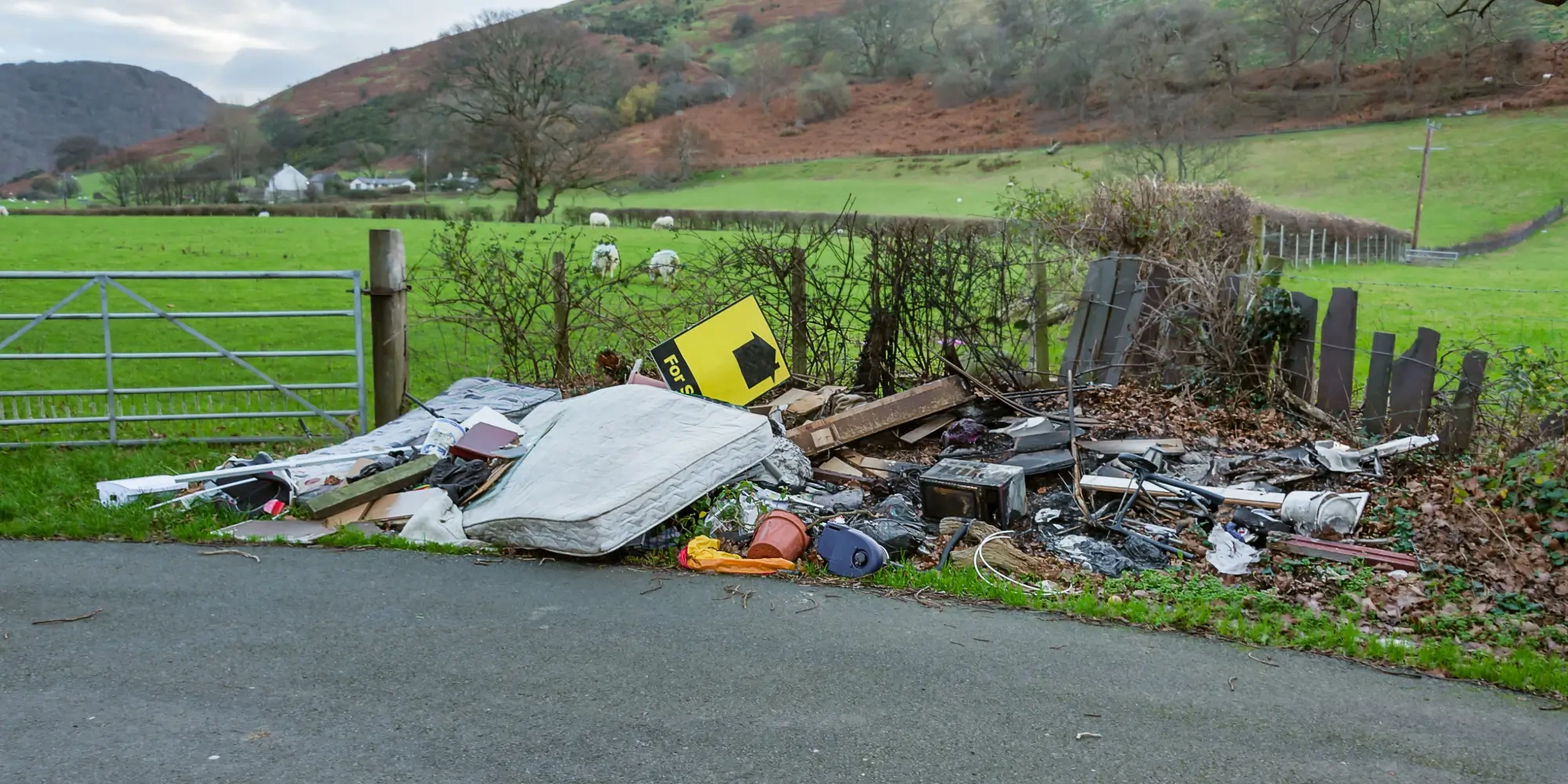
Incidents are recorded in their hundreds of thousands each year, with waste often dumped in parks, laybys, alleyways and rural roads.

The true cost of fly-tipping extends far beyond clean-up. It damages local environments, poses public health risks, attracts further criminal behaviour and erodes public confidence in enforcement.

While local authorities are under pressure to deliver more with less, dealing with repeat offences at persistent hotspots can feel like an uphill battle.

The majority of fly-tipping incidents involve household waste, but the dumping of commercial, industrial and hazardous materials is not uncommon.

Offences often occur under the cover of darkness, making them difficult to detect and investigate without live video surveillance or clear visual evidence.

A Closer Look at The Effects of Fly-Tipping
A Smarter Way to Tackle Fly-Tipping

Why Mobile CCTV is Effective Against Fly-Tipping

Mobile CCTV systems are one of the most effective tools for reducing fly-tipping, not just by capturing incidents but by deterring them in the first place.

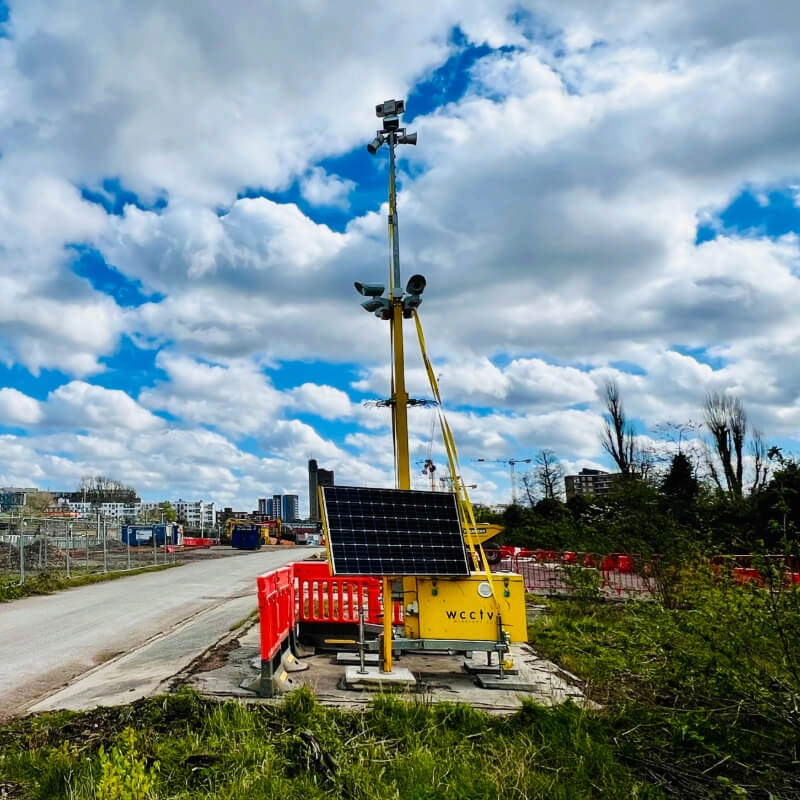
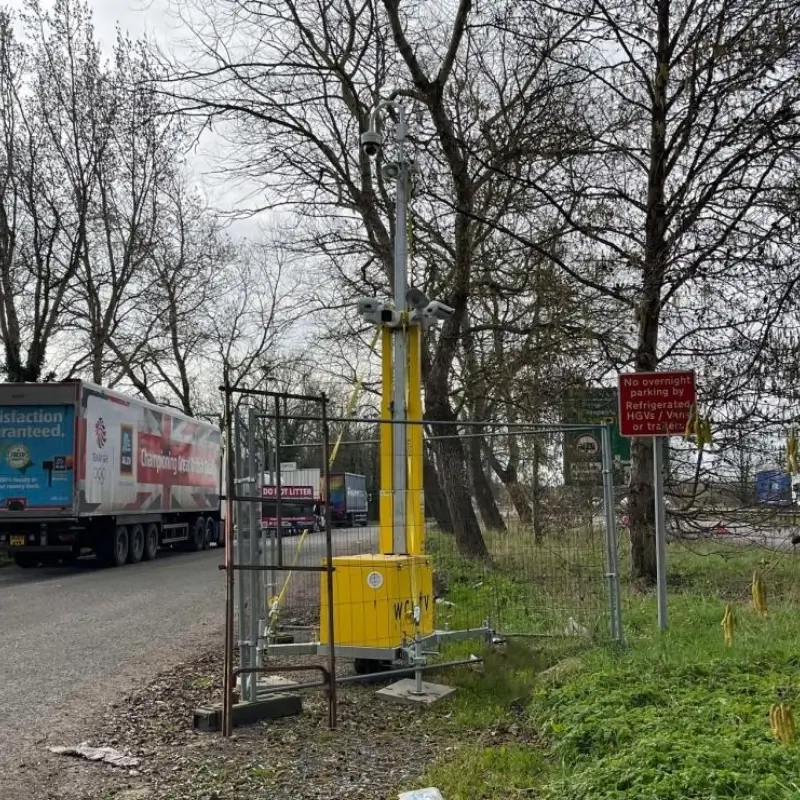
WCCTV’s rapid deployment cameras are overt, highly visible units that can be quickly located at known fly-tipping hotspots without the need for fixed infrastructure or power supplies.

Cameras can be positioned exactly where they’re needed most, with the flexibility to move as problems shift. High-definition footage supports investigation and prosecution.

Additional features such as automatic number plate recognition (ANPR) and AI-based video analytics can assist in identifying repeat offenders, tracking vehicle movements and flagging suspicious behaviour.

This targeted approach helps local authorities and landowners address persistent fly-tipping problems with greater speed, confidence and evidential strength.

Explore the Benefits of CCTV for Fly-Tipping Reduction

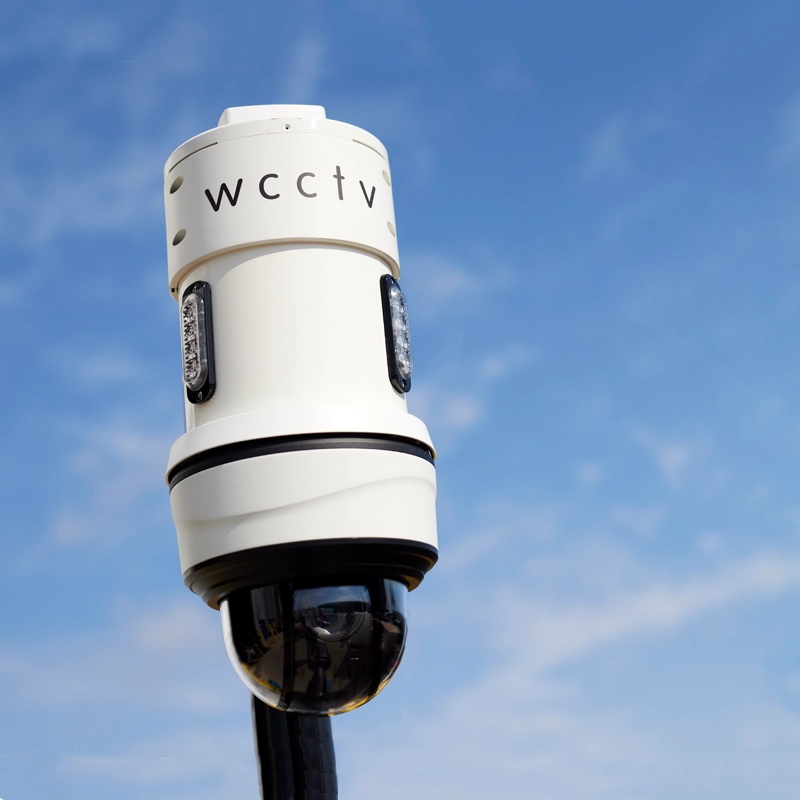
WCCTV Redeployable CCTV Camera Unit

Stop Fly Tipping in Your Area

WCCTV provides rapid deployment security systems that help identify offenders and reduce environmental crime.

Request a Consultation

Rapid Deployment CCTV Tower Demolition Security

Cameras Designed for Fly-Tipping Reduction

Mobile CCTV Systems for Preventing Fly-Tipping

Fly-tipping occurs in parks, alleyways, lay-bys and rural roads, where power, internet connectivity and mounting infrastructure are not always readily available.

WCCTV’s solutions are tailored for these locations, operating without fixed power or internet, and delivering clear video evidence in any conditions. Our core products for fly-tipping reduction include:

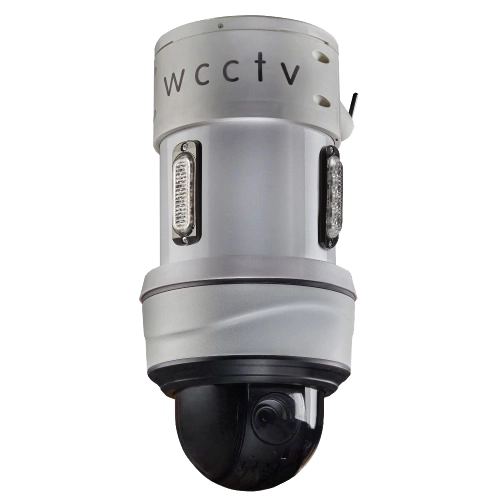
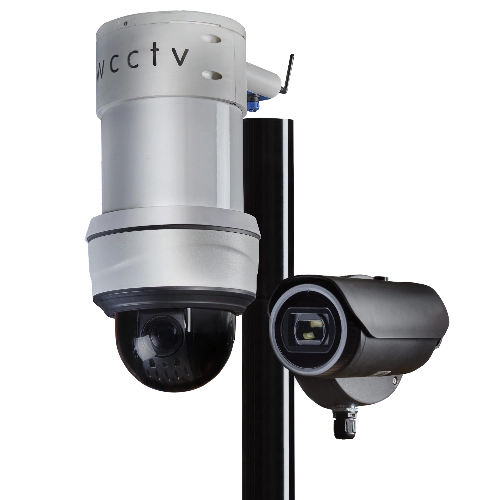
  • Redeployable CCTV Cameras: Ideal for streets, alleys and public land, Redeployable CCTV cameras are mounted to existing poles, are quick to install and easy to move, record in HD and connect over 4G/5G.
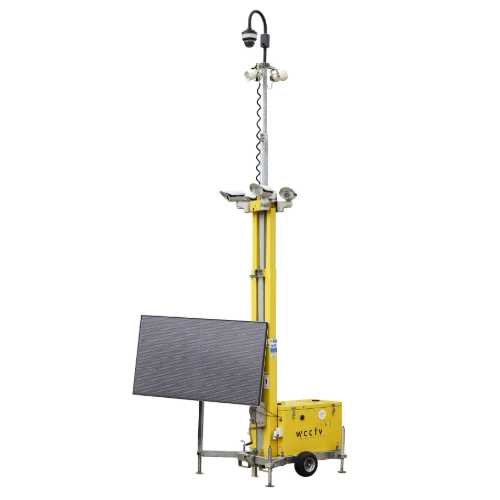
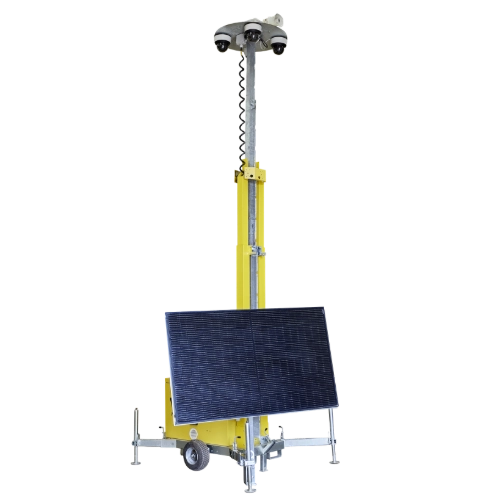
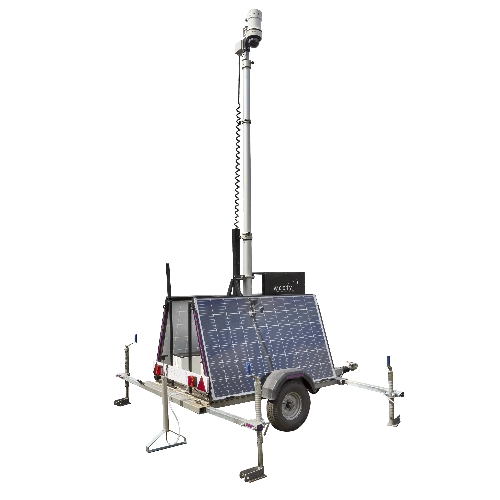
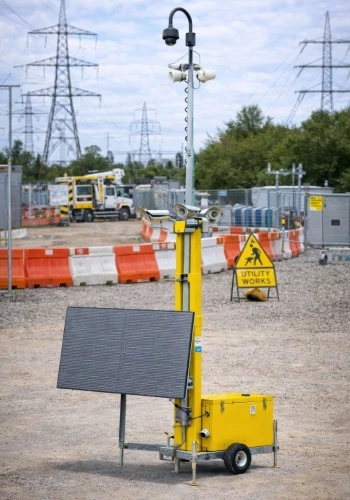
  • Rapid Deployment Towers: For locations where mounting infrastructure and power are unavailable, our CCTV Towers provide full autonomous operation and high visibility deterrence. 
  • ANPR Cameras: Our CCTV Towers and Redeployable CCTV units can feature fully integrated ANPR technology to provide enhanced identification of the make, model and colour of vehicles involved with fly-tipping incidents.

No matter what kind of location you are looking to protect from environmental crime, we have a solution that will help catch or deter fly-tipping. All systems are available to rent or buy, depending on your deployment needs.

Explore our Mobile CCTV Products

Purpose Built for Envirocrime Reduction

Which CCTV Cameras Work Best Against Fly-Tipping?

WCCTV Headquarters Signage

Proven Technology Trusted by Local Authorities

Why WCCTV is the Leading Choice for Fly-Tipping CCTV 

WCCTV works with more than 450 departments across UK local authorities, providing surveillance systems that deliver results. Our cameras are easy to deploy, simple to manage and deliver the visual evidence you need to tackle fly-tipping.

Our pedigree covers:

  • Over 20 years of fly-tipping prevention experience
  • Systems used by enforcement, environmental and ASB teams nationwide
  • Rapid deployment without the need for fixed power or connectivity
  • High-definition footage suitable for evidence and prosecution
  • Rental or purchase options to suit all needs
  • UK-based customer support, training and technical assistance
  • Free desktop and mobile viewing software

Our pedigree in helping clients reduce fly-tipping is unmatched and our expertise unrivalled. Speak to us today to request a demonstration.

Speak to our CCTV Experts

Real Results in the Fight Against Fly-Tipping

Case Study: Wiltshire Council Reduce Fly-Tipping With WCCTV

As part of the “Don’t Mess with Wiltshire” fly-tipping initiative, Wiltshire Council deployed a number of CCTV Towers at known fly-tipping hotspots in rural laybys.

The goal was to deter illegal waste dumping and gather evidence to support enforcement actions in areas that could not be covered by traditional CCTV systems.

At 6m tall and painted bright yellow, the towers provided a strong visual deterrent while capturing high-quality footage of any incidents that occurred.

This evidence enabled the council to issue Fixed Penalty Notices and pursue prosecutions, reinforcing their zero-tolerance stance on fly-tipping.

“We are fighting back with these CCTV cameras, which will help to prevent littering and catch culprits in the act,” said Cllr Dominic Muns, Cabinet Member for Waste and Environment.

The initiative led to a 31% increase in fly-tipping prosecutions year-on-year, demonstrating the effectiveness of the CCTV Towers.

Read the Full Case Study

Untitled (33)

Frequently Asked Questions

Where Can WCCTV Cameras Be Deployed to Prevent Fly-Tipping?

Our systems can be installed in virtually any location, including alleyways, laybys, parks, farmland and other public or private land. No mains power or internet is required.

Do WCCTV Cameras Provide Footage Suitable for Issuing FPNs?

Yes. All systems record in high definition and include time and date stamping, ensuring the footage can support Fixed Penalty Notices and legal action.

How Quickly Can Cameras Be Deployed to a Known Hotspot?

Systems are ready to deploy and can usually be installed within 24 to 48 hours, depending on location and access requirements.

Can the Cameras Capture Vehicle Number Plates?

Yes. Our ANPR-equipped systems are designed to record vehicle number plates, supporting enforcement teams in identifying offenders and repeat visitors.

Request a free trial or demonstration

Contact Us To Reduce Your Fly-Tipping

If you'd like any further information on our CCTV systems for fly-tipping reduction, or would like to request a free trial, fill out your details and we will be in touch. 

This site is protected by reCAPTCHA and the Google Privacy Policy and Terms of Service apply.

From the Blog

Related Insights and News

EnvironmentPublic Sector

Top 10 Worst Towns for Fly-Tipping in England

Recent data showed fly-tipping continues to hit record highs year-on-year, but what towns and regions face the highest number of incidents? Find out here.

DDS

Written by Daniel Del Soldato
6 minute read

EnvironmentPublic Sector

Ultimate Guide on Fly-Tipping Prevention

Discover effective strategies to prevent fly-tipping with our comprehensive guide, covering key tactics and best methods.

DDS

Written by Daniel Del Soldato
10 minute read

EnvironmentPublic Sector

How Tip Closures and Reduced Hours Impact Fly-Tipping

Over recent years, tip closures and reduced hours have led to knock-on effects with fly-tipping. We explore this impact in detail and how to protect your local area.

DDS

Written by Daniel Del Soldato
10 minute read