A Growing Challenge for Property Owners
Understanding the Threat of Squatting at Vacant Sites
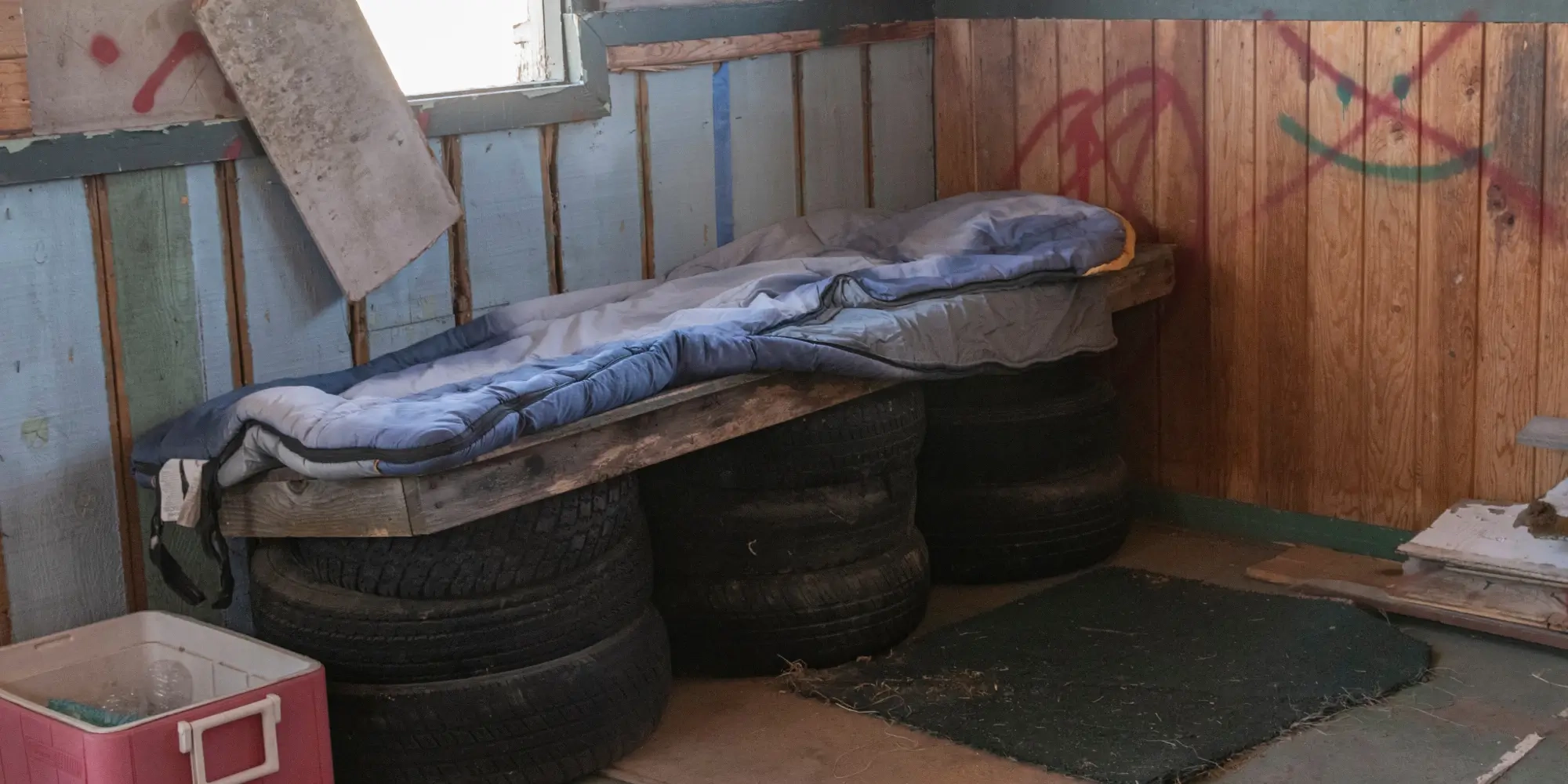
Squatting remains a serious risk for vacant and unsecured properties across the UK.
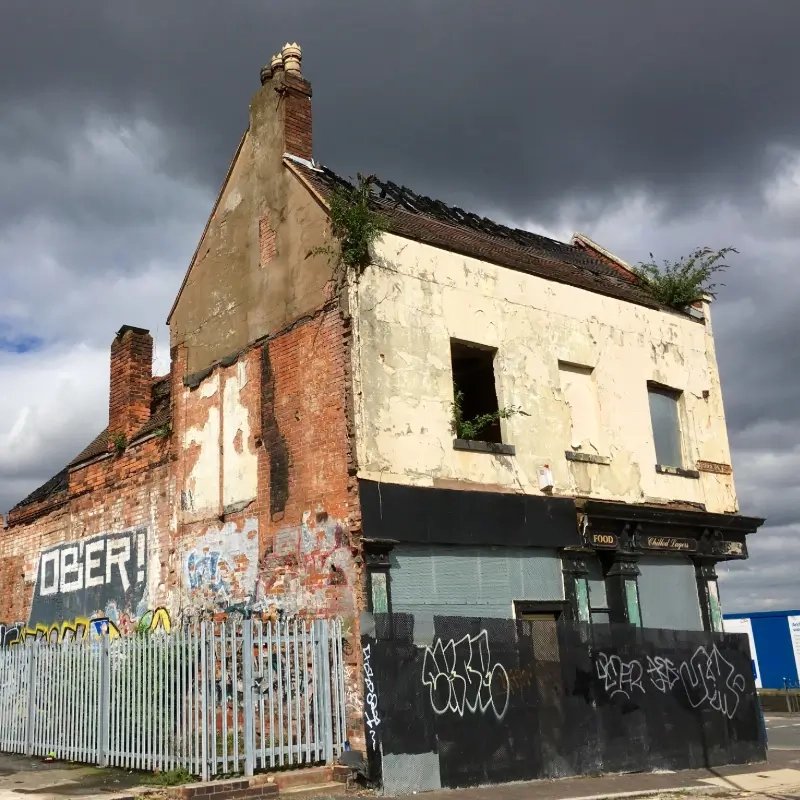
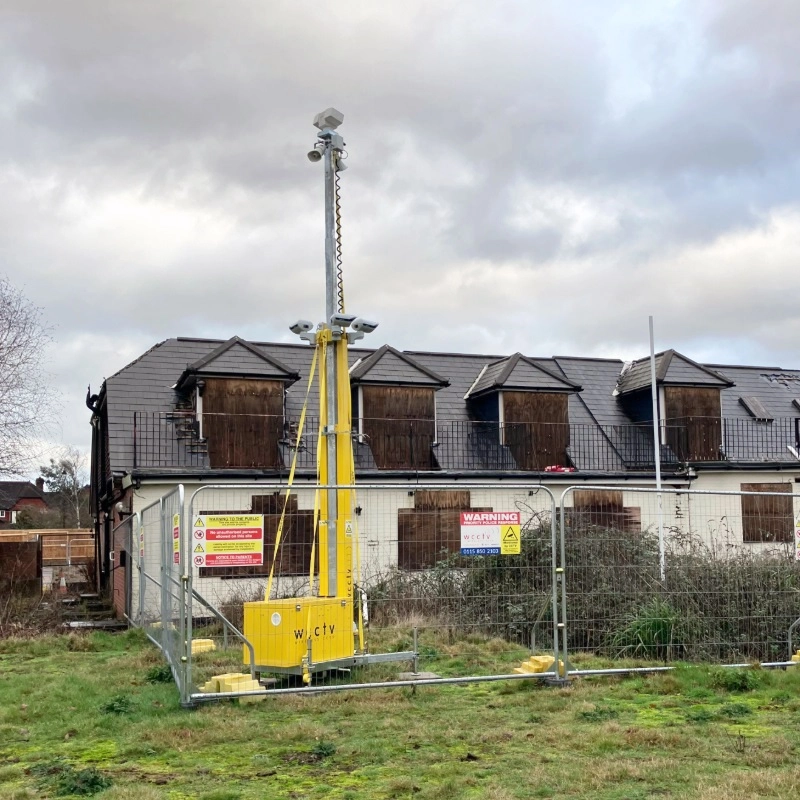
Whether it’s a commercial unit between tenants, a former local authority building, or a redevelopment site awaiting planning approval, any property left unoccupied for a sustained period becomes vulnerable to illegal occupation.
While changes to the law have made squatting in residential buildings a criminal offence, non-residential properties are still open to unlawful access. Once inside, squatters can be difficult to remove, causing costly delays, reputational damage and legal expenses.
The longer a property is left vacant, the greater the risk of squatting and associated crimes such as vandalism, fly-tipping, theft and arson.
For housing associations, developers and local authorities, addressing this risk quickly and effectively is essential.
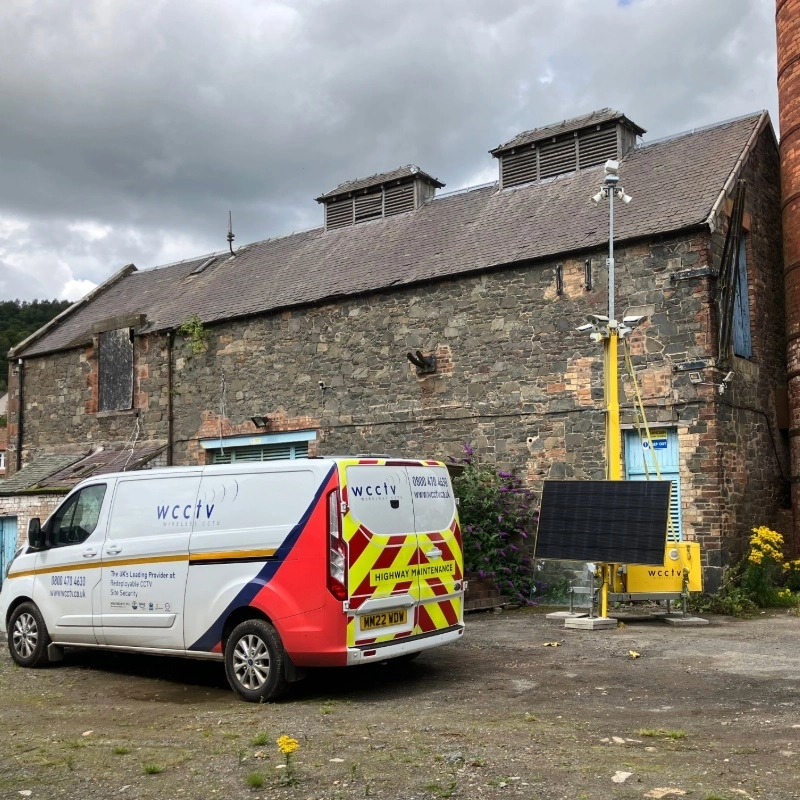
Protecting your assets starts with understanding the risks of unlawful occupation.
Learn How Squatting Impacts Vacant Property